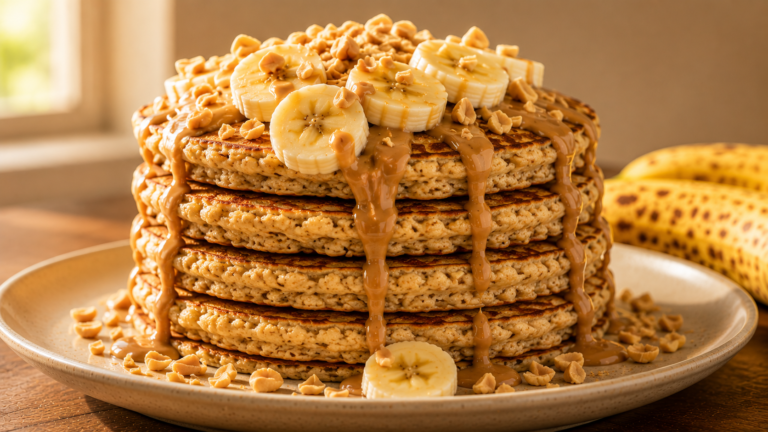
Puffy Golden Dutch Baby Pancake Baked in a Cast Iron Skillet
A Dutch baby pancake owes its dramatic rise to steam, not baking powder. Hot skillet, thin egg-rich batter, and a fast oven send the edges climbing up the pan walls in minutes.
It falls the moment it leaves the heat, and that is the point. This Dutch baby pancake bakes into crisp golden walls around a soft, custardy center.

Why You Will Love This Recipe
- One skillet and one blender deliver a showstopping pancake with almost no hands-on work.
- The dramatic oven puff makes it feel like a special occasion even on a plain Tuesday.
- Crisp, buttery edges give way to a soft, custardy center in every single slice.
- The batter takes five minutes and needs no resting, folding, or flipping.
- Naturally versatile, ready for lemon and sugar, fresh berries, or a savory turn.
Ingredients
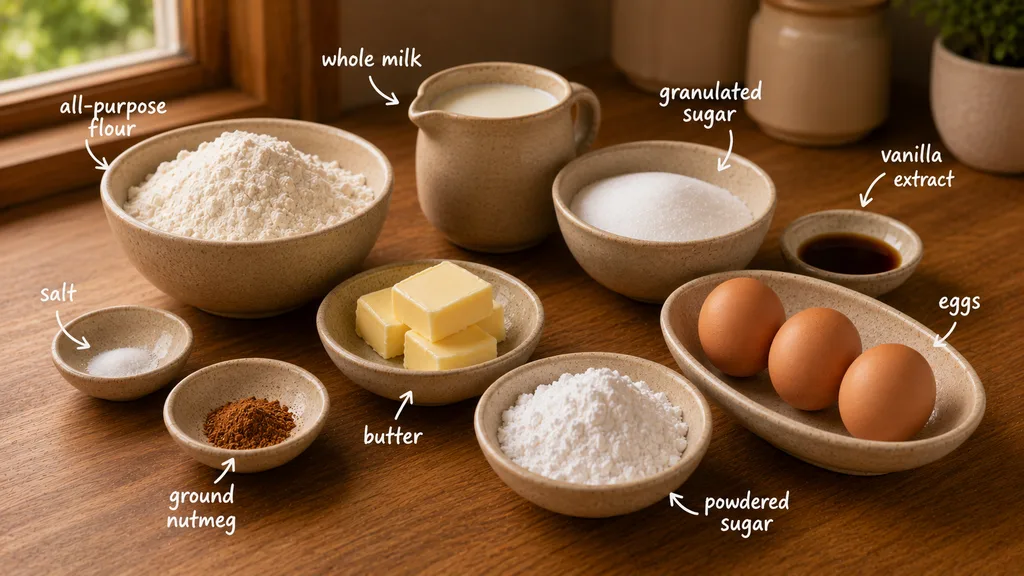
- 3 large eggs, room temperature (cold eggs blunt the rise)
- 3/4 cup all-purpose flour
- 3/4 cup whole milk, room temperature
- 2 tablespoons granulated sugar
- 1 teaspoon vanilla extract
- 1/4 teaspoon salt
- 1 pinch ground nutmeg
- 4 tablespoons unsalted butter, for the hot skillet
- Powdered sugar, fresh lemon wedges, and fresh berries, to serve
Crockery and Time To Create
- 1 10-inch cast iron skillet
- 1 blender or large bowl with a whisk
- 1 fine mesh sieve for dusting
- 1 pair of oven mitts
Prep Time: 10 minutes Cook Time: 20 minutes Total Time: 30 minutes Servings: 4
Ingredient Substitutions and Variations
- Whole milk: swap in 2 percent or a barista-style oat milk for a lighter batter that still puffs well.
- All-purpose flour: use a 1:1 gluten-free blend for the same rise without the wheat.
- Granulated sugar: leave it out entirely for a savory Dutch baby topped with cheese and fresh herbs.
- Nutmeg: trade for a pinch of cinnamon or a little lemon zest to shift the aroma.
- Butter: use ghee for a higher smoke point and a nutty edge on the skillet walls.
Step-by-Step Instructions
Step 1: Preheat the Oven and Skillet
Set a 10-inch cast iron skillet on the middle rack and heat the oven to 425F. Let the empty skillet heat for a full 10 minutes. A screaming hot pan is what shocks the batter into climbing, so do not shortcut this wait. The skillet is ready when it radiates real heat from a hand held above it.
Step 2: Blend the Batter
Add the eggs, flour, milk, sugar, vanilla, salt, and nutmeg to a blender and blend for about 30 seconds until completely smooth and slightly foamy on top. The batter should be thin, closer to crepe batter than pancake batter. Let it sit while the skillet finishes heating.
Step 3: Melt Butter in the Hot Skillet
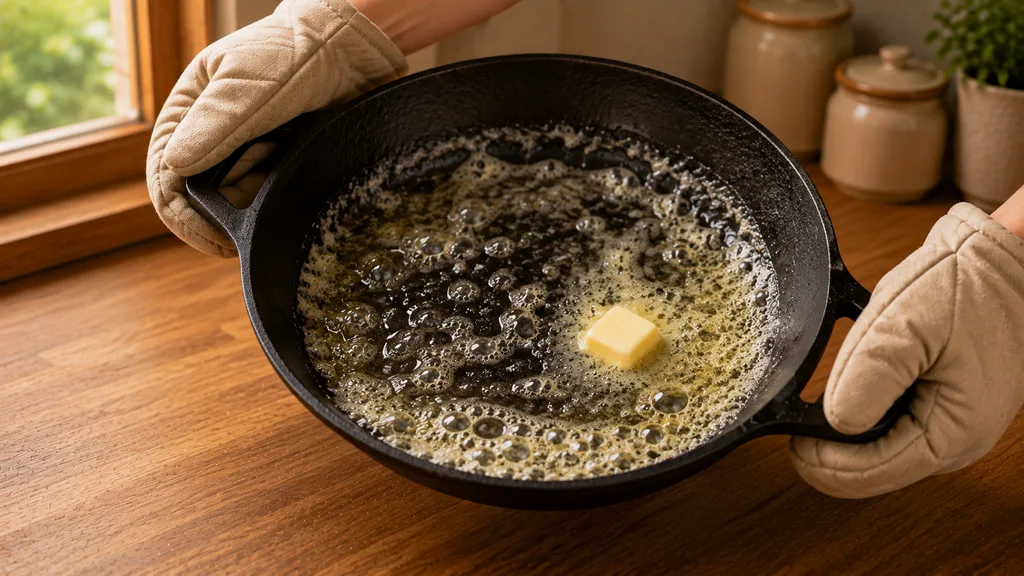
Carefully pull the hot skillet out and drop in the butter, swirling it so it coats the bottom and all the way up the sides. It should sizzle and foam on contact. Work quickly, since the melted butter greases the walls and lets the pancake climb and crisp as it bakes.
Step 4: Pour in the Batter
Pour the batter into the center of the buttered skillet in one steady stream. Do not stir it or spread it out. Return the skillet to the oven right away while it is still sizzling. Moving fast keeps the pan hot enough to trigger that tall, dramatic rise.
Step 5: Bake Until Puffed and Golden
Bake for 18 to 20 minutes without opening the door. The Dutch baby will balloon up the sides and turn deep golden with dramatic peaks and valleys. Resist peeking, because a burst of cool air can collapse the rise before the structure sets.
Step 6: Dust and Finish
Pull the skillet out and the pancake will deflate slightly, which is exactly right. Dust the top generously with powdered sugar through a fine sieve, then add a squeeze of fresh lemon and a handful of berries. The warm surface drinks in the lemon and softens the sugar into a light glaze.

Step 7: Slice and Serve
Cut the Dutch baby into wedges straight from the skillet and serve within a few minutes. It is best while the edges are still crisp and the center is warm and custardy. Once it cools it loses its lift, so gather everyone before it comes out of the oven.
Pro Tips for Best Results
- Bring the eggs and milk to room temperature so the batter is not cold and the rise stays tall.
- Blend the batter smooth and thin, since lumps or extra flour weigh down the puff.
- Preheat the empty skillet the full ten minutes for the hottest possible surface.
- Never open the oven mid-bake, because cool air deflates the pancake before it sets.
- Serve it within minutes of baking while the walls are still crisp and dramatic.
Common Mistakes to Avoid
- Using cold ingredients: room-temperature eggs and milk are what let the batter surge upward.
- Skipping the skillet preheat: a cool pan gives a flat, dense pancake with no climb.
- Making the batter too thick: keep it thin and pourable, or the puff never happens.
- Opening the oven early: hold the door shut so the rise sets before it can collapse.
- Waiting too long to serve: a Dutch baby deflates fast, so slice it while it is hot.
What to Serve With
- Fresh berries and a lemon wedge: the bright acidity cuts the buttery richness and matches the classic finish.
- Crispy turkey bacon: a salty, savory side that balances the sweet, custardy center of the pancake.
- A pour of warm maple syrup: for anyone who wants the full breakfast-table comfort alongside their slice.

Storage and Reheating
- Fridge: store cooled slices in an airtight container for up to 2 days.
- Freezer: freezing is not recommended, as the delicate texture turns rubbery once thawed.
- Reheating: warm slices in a 350F oven for about 5 minutes to bring back some crispness.
- Note: the dramatic puff will not return after storing, so enjoy it fresh whenever you can.
Nutrition Information
| Nutrient | Per Serving |
|---|---|
| Calories | 290 kcal |
| Total Fat | 16 g |
| Saturated Fat | 9 g |
| Cholesterol | 175 mg |
| Sodium | 220 mg |
| Total Carbohydrates | 27 g |
| Dietary Fiber | 1 g |
| Sugars | 9 g |
| Protein | 9 g |
| Nutrition values are estimates based on standard ingredients and serving sizes, and may vary with substitutions and toppings. | |
Health Benefits
A Dutch baby leans on eggs and milk more than flour, so each slice carries a solid dose of protein and calcium for a lighter start than a full stack of griddle pancakes. Baking in a single skillet also keeps the added fat modest.
Made at home, you decide how much sugar tops the pancake, and a squeeze of lemon with fresh berries folds in vitamin C and a little fiber. That balance makes it a treat you can feel good about serving often.
Conclusion
There is real theater in pulling a Dutch baby from the oven at its tallest, and it never stops being fun to watch a table light up as it slides onto the counter. Slice it fast, dust it well, and let everyone dig in while the edges crackle. If this Dutch baby pancake becomes a weekend habit, save it and share it with the next person who has never seen a pancake climb a pan.