Buttery Golden Parker House Rolls with a Soft Pillowy Center
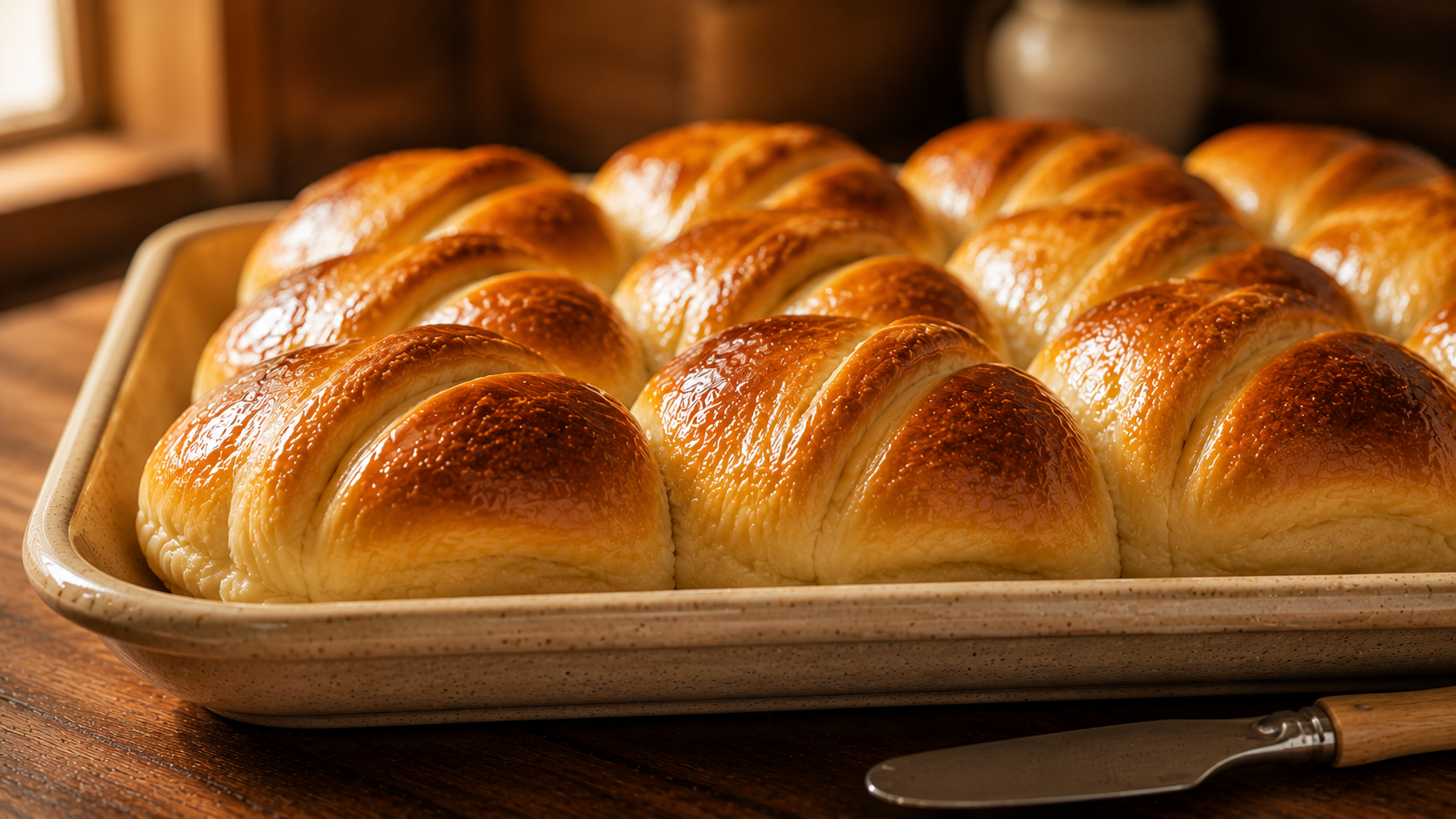
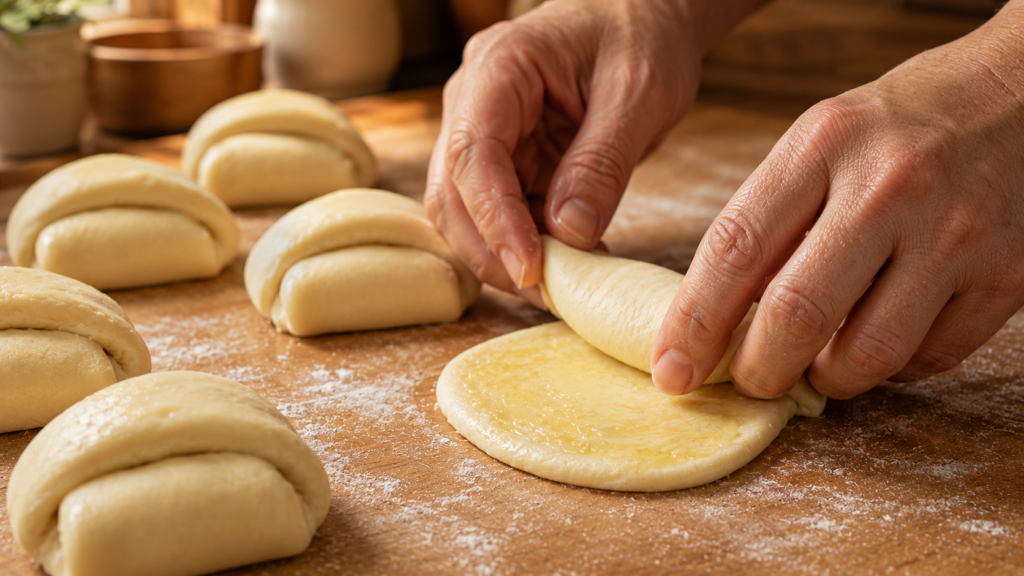
The fold is what separates a real Parker House roll from an ordinary dinner roll, that off-center crease that lets the top flap rise up and over while the inside stays impossibly soft. Skip the fold and you just have a plain roll with a fancy name.

Why You Will Love This Recipe
- The signature fold creates a soft, flaky top layer over a pillowy center.
- Brushed with melted butter twice for a rich, glossy finish.
- Made with simple pantry staples, no special equipment needed.
- Perfect for holidays, Sunday dinners, or freezing ahead for later.
- Stays soft for days thanks to the milk and butter in the dough.
Ingredients
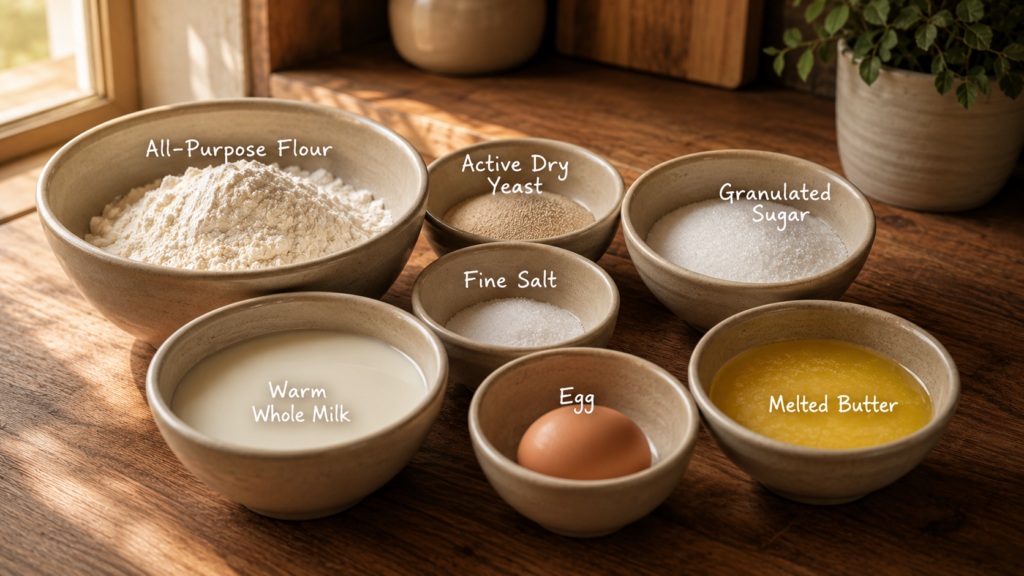
- 4 cups all-purpose flour
- 2 1/4 teaspoons active dry yeast, about 1 packet
- 1/4 cup granulated sugar
- 1 teaspoon fine salt
- 1 cup whole milk, warmed to about 110°F
- 1 large egg
- 6 tablespoons unsalted butter, melted and divided
- Extra melted butter, for brushing before and after baking
Crockery and Time To Create
You will need a large mixing bowl, a rolling pin, a 9×13 inch baking dish, a pastry brush, and a small bowl for melted butter. Prep time is 30 minutes and cook time is 20 minutes, for a total active time of 50 minutes. The dough also needs about 1 hour 30 minutes to rise across two rises, which is not included in the active time. This recipe makes 15 rolls and serves 15.
Ingredient Substitutions and Variations
- Whole milk: swap for buttermilk for a slightly tangier, softer crumb.
- Unsalted butter: swap for melted ghee for a deeper, nuttier flavor.
- All-purpose flour: swap for bread flour for a slightly chewier texture.
- Granulated sugar: swap for honey for a softer, more rounded sweetness.
- Egg: swap for one flax egg, one tablespoon ground flaxseed mixed with three tablespoons water, for an egg-free version.
Step-by-Step Instructions
Activate the Yeast
In a large bowl, dissolve the yeast and sugar in the warm milk and let it sit for 5 to 10 minutes, until the surface turns foamy and fragrant.
Mix the Dough
Add the egg, 4 tablespoons of the melted butter, salt, and flour to the yeast mixture, then knead by hand or with a dough hook for about 8 minutes, until the dough is smooth, soft, and slightly tacky.
First Rise
Cover the bowl and let the dough rise in a warm spot for about 1 hour, until it has doubled in size.
Shape the Rolls
Punch down the dough and roll it out on a lightly floured surface to about half an inch thick. Cut into circles using a round cutter, then brush each circle with melted butter and fold slightly off-center so the smaller top flap sits over the larger bottom half.
Second Rise
Arrange the folded rolls in a buttered 9×13 inch baking dish, slightly overlapping, cover loosely, and let rise for 30 minutes, until puffy.
Bake
Bake at 375°F for 18 to 20 minutes, until the tops are deep golden brown and the rolls sound hollow when tapped.
Finish and Serve
Brush the hot rolls immediately with the remaining melted butter, then let them cool for a few minutes in the dish before pulling apart and serving warm.

Pro Tips for Best Results
- Make sure the milk is warm, not hot, water that is too hot can kill the yeast before it activates.
- Brush butter on both before and after baking, this is what gives the rolls their signature glossy finish.
- Let the dough rest a few minutes after rolling if it springs back too much when cutting.
- Arrange the rolls close together in the pan, they help each other rise taller and stay soft on the sides.
- Tap the bottom of a roll to check doneness, a hollow sound means they are fully baked through.
Common Mistakes to Avoid
- Using milk that is too hot: it kills the yeast, so always check the temperature stays around 110°F.
- Skipping the fold: this loses the classic Parker House shape, always fold slightly off-center before the second rise.
- Overcrowding the rolling surface: cutting circles too close together wastes dough, leave a little space between cuts.
- Underbaking the centers: pale rolls usually mean a few more minutes are needed, check for a deep golden top before removing.
What to Serve With
- A warm bowl of soup, since the soft rolls are perfect for dipping.
- Honey butter, which melts beautifully into the warm, pillowy center.
- A holiday roast, since these rolls make a classic pairing for a Sunday dinner table.

Storage and Reheating
- Fridge: store in an airtight container for up to 4 days.
- Freezer: freeze baked rolls in a sealed bag for up to 2 months.
- Reheating: warm in a 300°F oven wrapped in foil for 8 to 10 minutes, and avoid the microwave since it can make them chewy instead of soft.
Nutrition Information
| Nutrient | Per Serving |
|---|---|
| Calories | 180 kcal |
| Total Fat | 6g |
| Saturated Fat | 3g |
| Carbohydrates | 27g |
| Protein | 4g |
| Sodium | 150mg |
| Fiber | 1g |
| Nutrition values are estimates and may vary based on specific ingredients and portion sizes used. | |
Health Benefits
The milk and egg in this dough contribute a modest amount of protein and calcium, giving these rolls a little more nutritional value than a plain water-based bread. Homemade rolls also mean you control the amount of butter and sugar directly, unlike many store-bought versions loaded with preservatives.
Making bread from scratch at home has also been linked to a more mindful eating experience, since the process naturally slows down how quickly a meal comes together.
Conclusion
There is nothing quite like pulling apart a warm Parker House roll and watching the buttery layers separate at that signature fold, it turns an ordinary dinner into something worth remembering. Give this one a try, save the recipe, and share it with anyone who appreciates a truly soft, homemade roll.